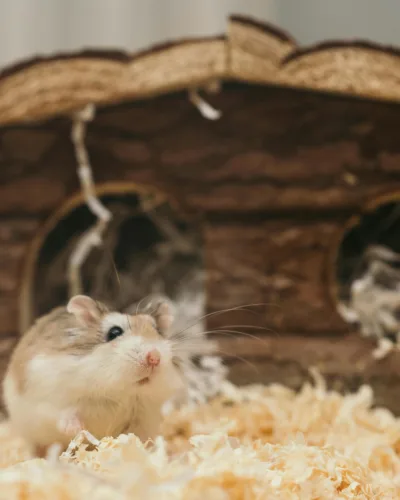
There are several different hamster breeds, but the most common ones you’ll find across the UK and USA are Syrians and the dwarf varieties: Russian (also known as Campbell or Winter White) and Roborovski. While they’re all adorable, there are quite a few differences between these breeds that are important to consider before choosing the right one for you.
Important note: Regardless of breed, all hamsters require plenty of space. As per RSPCA guidelines, the minimum cage size should be at least 100 x 50 cm—even for dwarf breeds.
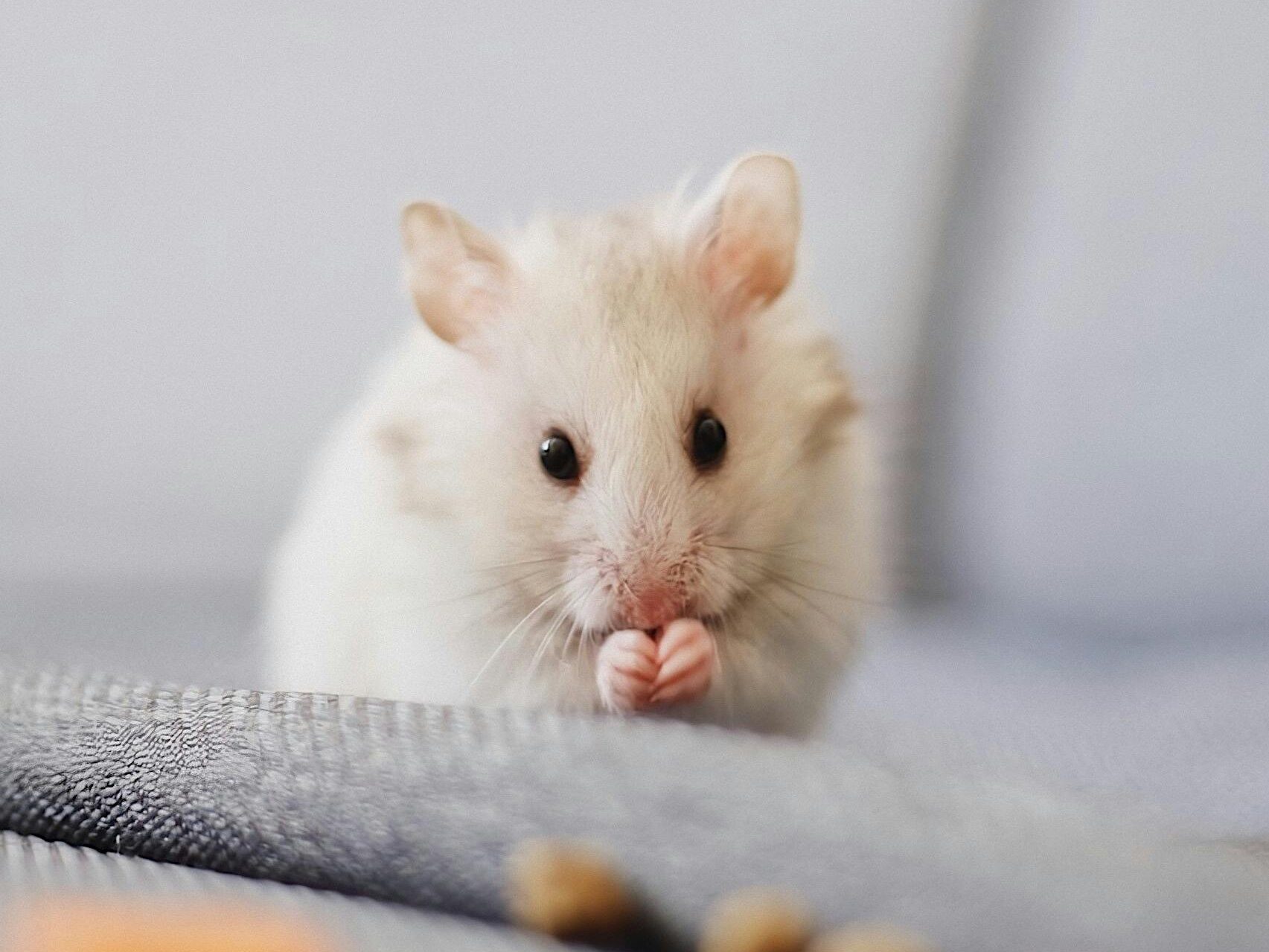
Syrian Hamsters
When most people think of hamsters, the Syrian usually comes to mind. They are the largest breed and can grow up to 6 inches long. Generally speaking, Syrians are the easiest to tame, which means with time and patience, they’ll often sit calmly on your hand.
That said, from experience, Syrian bites can be quite painful—probably the nastiest of the bunch. Don’t let that scare you off though. Like with all pets, temperament varies from hamster to hamster, and if you take things slowly during the bonding process, you’re unlikely to get bitten.
However, younger children who may lack the patience or gentleness required could increase the chances of being nipped. Just remember: any pet can bite.
Because Syrians are larger, they need a bigger wheel—around 9 to 12 inches in diameter—to avoid spinal problems.
Syrians are also more prone to a potentially fatal condition called wet tail, which looks like diarrhoea and leads to rapid fluid loss. If you suspect your hamster has wet tail, take them to a vet immediately.
One last (very important) point: Syrian hamsters must be housed alone. They are highly territorial and will fight—often to the death—if kept with another.
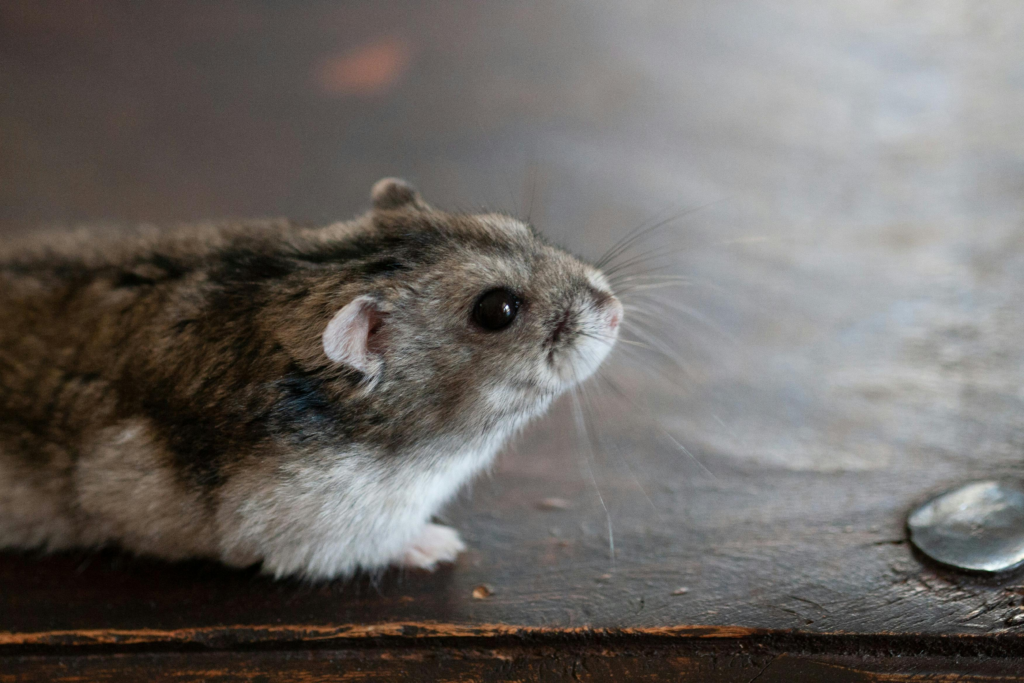
Russian Dwarf Hamsters (Campbell & Winter White)
These smaller hamsters are quicker and can be harder to catch, but they’re generally quite good with handling once bonded. They can be slightly more difficult to tame than Syrians, but with regular, gentle interaction, they can still become friendly pets.
One key health concern with dwarf hamsters is diabetes. Their tiny bodies can’t process sugar well, so it’s important to avoid sugary treats and limit fruit. Look for sugar-free treats and read food labels carefully.
Unlike Syrians, dwarf hamsters can technically live together—but this is not always recommended. They may tolerate living in pairs under very specific conditions, but many still end up fighting, especially as they age. Unless you’re highly experienced, it’s best to keep them on their own. Don’t worry—hamsters are naturally solitary and will be perfectly happy alone.
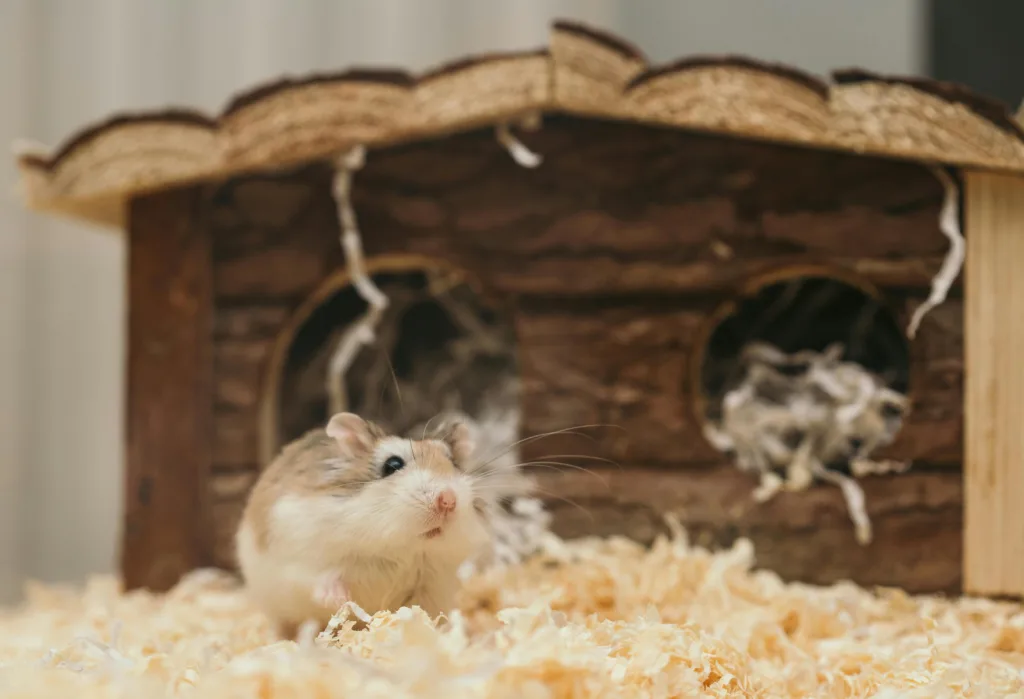
Roborovski Hamsters
Roborovskis are the smallest and fastest of all pet hamsters. They are also considered the most difficult to tame. While it’s definitely possible to build trust with them, there’s no guarantee they’ll become hand-tame.
However, one big plus is that Roborovskis tend to have the longest lifespan, typically living 3 to 5 years, which is longer than most other hamster breeds.
Their speed and shy nature make them better suited for experienced owners who enjoy observing rather than handling their pets frequently.